
In a circular dated May 20, Sebi had directed the listed companies to evaluate the impact of Covid-19 on their capital and financial resources, profitability, liquidity position, assets, and ability to service debt. Instead, companies have spoken about the number of plants, warehouses and distribution centres that have resumed operations; work-from-home and safety measures undertaken for employees; and the labour shortage they are facing.

Axis Bank and ICICI Bank consumed 37-59 per cent of their operating profit for COVID-19 provisioning, while the figure is 24 per cent in case of Kotak Mahindra Bank and 10-12 per cent for IndusInd Bank and HDFC Bank.


Morgan Stanley removed banking stocks from its model portfolio when it slashed its weighting on the sector by 500 basis points. Several foreign brokerages, such as UBS, JP Morgan, and Credit Suisse, of late, have also become less optimistic about banking stocks.

With the Reserve Bank of India's (RBI's) draft reconstruction scheme for the troubled lender suggesting a permanent write-down of these bonds outstanding as of March 5, bondholders who have invested RS 10,800 crores are up in arms, reports Hamsini Karthik.

While the proposed new tax regime is optional for taxpayers, the finance minister has said the government eventually wants to do away with all exemptions with a lower tax-rate simplified structure.

While the overall loan disbursements stood strong at 15 per cent YoY in Q2, pockets such as vehicle finance, loans to NBFCs, and business banking showed some weakness. A continued fall in these numbers may make it tough for AU SFB to defend its valuations under the current circumstances.

International brands such as Daikin, Hitachi and Samsung, which were largely present in the premium products range, are getting aggressive on expanding their mid-range portfolios to penetrate into smaller cities and towns. While competition isn't hurting Voltas just yet, which has managed to retain its market share at 24.4 per cent as of September 30 (Q2), the main question is whether the company can defend its market share without compromising on profitability.

Loans of over Rs 1.8 trillion, for which agreement has been signed by banks, are likely to be referred to IBC.

The operating environment is unpredictable, but if the bank can't give a clear picture of what's in store, calling the bottoming out of its asset quality stress is nearly impossible.

It has been a decade since Shyam Srinivasan took over as managing director and chief executive officer at Federal Bank. He wants to ramp up the bank's unsecured lending going ahead even as it homes into the space vacated by competition. Reappointed for a fresh three-year term as the bank's helmsman, he spoke to Hamsini Karthik on the plot ahead.

Sources say given the complexity involved in the process of creating a holding company, which will ultimately be the parent company of banking and other businesses, banks are going slow in acquiring stakes in insurance arms or mutual funds of other lenders.

Being one of the early commentators to flag economic slowdown and caution investors on corporate earnings, Gautam Chhaochharia, head of India research, UBS Securities, in an interview with Hamsini Karthik says the markets remain in an expensive zone despite the recent correction.
Given the relevance of bank deposits for Indian savers, whether the regulator would permit linking savings interest rate to a repo-like structure needs to be seen, as a move of this nature could increase volatility in savings also.

Unlike in the past, when old private banks compromised upon underwriting standards to take on the bulk, they've now realised that scaling up at the cost of quality isn't worth the while. These banks have also readjusted growth targets when required, and rebalanced books to preserve capital and asset quality.

Delay in demand recovery and higher stock valuations mean low safety margin, say analysts.

Analysts expect Colgate's overall volume growth to remain in single digits (around 5-6 per cent) for the next two years.

With liquidity crunch hitting operations, many finance companies have put the brakes on sanctions in the third quarter in the aftermath of the IL&FS crisis.
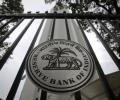
An initial reading of the guidelines indicates two factors - potential rise in borrowing cost and lower returns on investment book - could hit the spread of NBFCs.

Share prices of Dewan Housing, Indiabulls Housing, and PNB Housing have declined 30-80% in the past one year
 © 2026 Rediff.com - Advertise with us - Disclaimer - Privacy Policy - Sitemap - Feedback - About us - Terms of use - Grievances